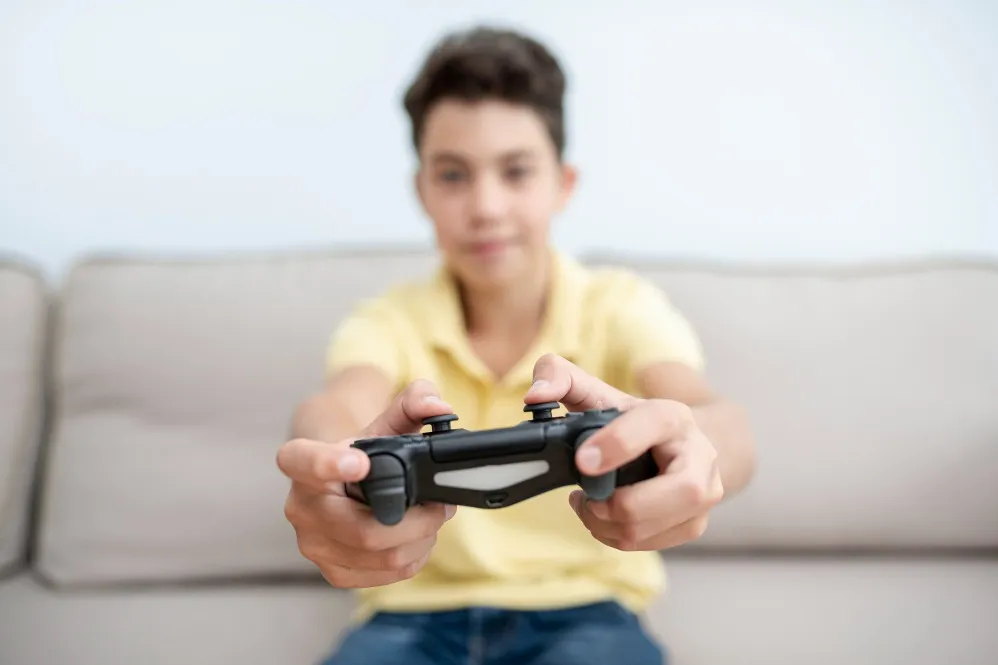
Gaming is a common form of entertainment, social connection and competition. Spending several hours on a game does not by itself prove that someone has an addiction. Concern arises when gaming becomes difficult to control, takes priority over important activities and continues despite clear negative consequences.
Gaming disorder is recognised in the World Health Organization’s International Classification of Diseases. The central issue is not simply screen time; it is the loss of control and decline in everyday functioning.
Signs That Gaming May Be Becoming Harmful
A person may need closer assessment when several of the following patterns persist:
- Repeatedly playing longer than intended
- Being unable to reduce gaming despite trying
- Neglecting sleep, hygiene, meals or exercise
- Missing classes, work or family responsibilities
- Losing interest in offline hobbies and relationships
- Becoming highly irritable when gaming is interrupted
- Hiding the amount of time or money spent on games
- Continuing despite declining marks, health or relationships
- Using gaming as the main way to escape difficult emotions
- Returning quickly to excessive play after brief attempts to stop
The pattern should be evaluated over time. An intense gaming phase during a holiday may be different from months of impaired control and deteriorating functioning.
Why Gaming Becomes Difficult to Control
Modern games are built around goals, rewards, progression and social participation. These features can make continued play highly engaging. Multiplayer games may also create pressure to remain online for teammates or scheduled events.
For some people, gaming provides relief from loneliness, academic pressure, low mood, anxiety or family conflict. This does not mean the game itself is the only problem. Treatment may need to address the emotional or social difficulty that gaming is helping the person avoid.
Conditions such as attention-deficit/hyperactivity disorder, depression, anxiety, sleep disorders and social communication difficulties can sometimes occur alongside problematic gaming.
Setting Limits Without Escalating Conflict
Suddenly removing every device may produce intense arguments without resolving the underlying pattern. A structured approach is often more sustainable.
Families can begin by:
- Recording gaming hours for one or two weeks
- Establishing fixed sleep and wake times
- Keeping devices away during meals and bedtime
- Linking gaming access to essential responsibilities
- Scheduling offline recreation and social activity
- Discussing in-game purchases and financial limits
- Applying rules consistently across caregivers
- Avoiding lengthy arguments during active gameplay
The aim is to rebuild balance and control. For some individuals, moderated gaming may be realistic. Others may need a period of abstinence, particularly when repeated attempts at limits have failed.
Gaming Addiction Treatment in Mumbai
In Mumbai households, limited outdoor space, academic competition, long travel times and easy access to high-speed internet can shape gaming habits. Families in Breach Candy, Kemps Corner and nearby areas may also find that irregular school, tuition or work schedules make consistent boundaries harder to maintain.
Gaming addiction treatment usually begins with a detailed assessment rather than an automatic ban. Dr Milan Balakrishnan may examine gaming patterns, sleep, mood, attention, school or work performance, family interactions and coexisting psychiatric symptoms.
Treatment can include motivational work, cognitive behavioural strategies, family sessions, routine restructuring and management of related conditions. Medication is not used simply to stop gaming, although it may be considered when a separate condition such as depression, anxiety or ADHD requires treatment.
The clearest indicator of a problem is functional harm. When gaming repeatedly displaces health, education, work or relationships, a psychiatric assessment can help determine whether the behaviour reflects gaming disorder, another mental health concern or a combination of both.
Keywords