
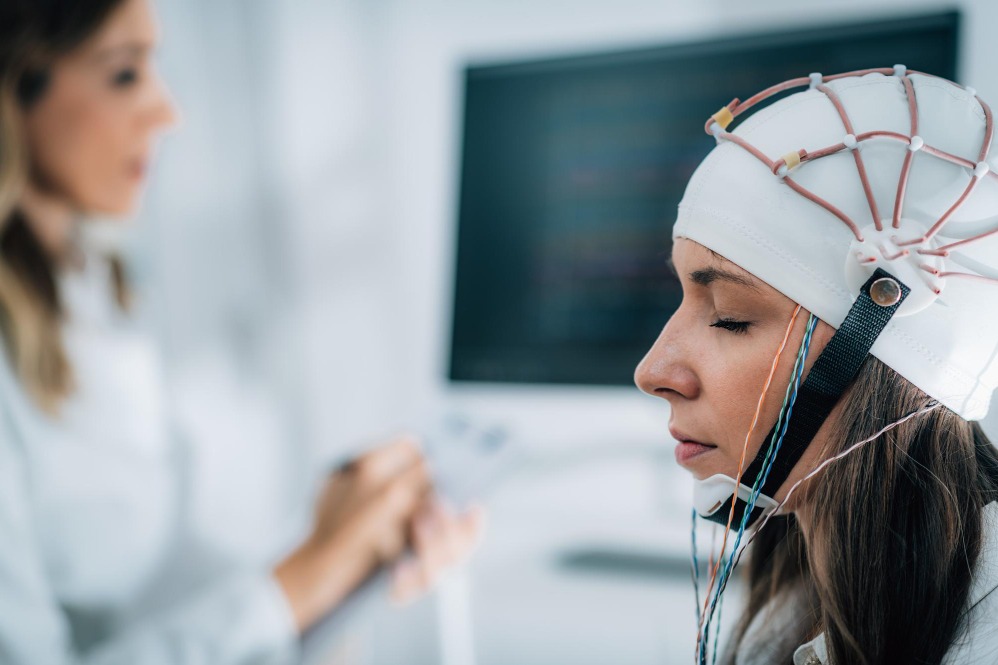
When depression has not improved sufficiently with standard treatment, people often begin researching additional options. TMS Therapy, short for transcranial magnetic stimulation, is one treatment that may be considered for selected psychiatric patients following specialist evaluation.
It is a non-invasive procedure that uses magnetic pulses to stimulate targeted areas of the brain involved in mood regulation.
For people exploring TMS services in Mumbai, Maharashtra, the important question is not simply whether the technology is available. The first question is whether it is clinically appropriate for the individual.
TMS Does Not Require Surgery
TMS is delivered externally using equipment positioned near the head.
No surgical implant is required.
During treatment, magnetic pulses are delivered according to a clinical protocol. A treatment course generally involves repeated sessions rather than a single appointment.
Patients are usually awake during the procedure.
The exact protocol, number of sessions, stimulation parameters, and clinical monitoring requirements depend on the treatment indication and professional assessment.
Suitability Requires Psychiatric Review
Not every person with depression automatically needs TMS.
A psychiatrist may review:
- Current symptoms
- Diagnosis
- Depression severity
- Previous medications
- Previous psychotherapy
- Treatment response
- Side effects
- Medical history
- Neurological history
- Implanted devices
- Current medicines
This assessment helps determine whether TMS is appropriate and whether any safety considerations require additional attention.
Patients should provide accurate information about implanted metallic or electronic devices because this may affect treatment suitability.
Previous Treatment History Matters
Someone considering TMS should ideally bring a clear record of previous psychiatric treatment.
This can include medication names, approximate doses, duration of use, reasons medicines were stopped, side effects, previous psychotherapy, hospital admissions, and previous treatment responses.
Without this information, it can be difficult to determine whether previous treatment was adequately tried.
Old prescriptions can be useful when patients cannot remember exact details.
Expectations Should Remain Realistic
TMS should not be presented as a guaranteed cure.
Response varies between patients.
A responsible consultation should discuss the intended treatment goal, expected treatment schedule, possible adverse effects, alternative options, and how progress will be evaluated.
Patients should also understand whether existing treatment will continue during the TMS course.
Improvement can be monitored using clinical interviews, symptom measures, everyday functioning, or other appropriate assessment methods.
Practical Questions Matter Too
Repeated sessions mean logistics can influence treatment adherence.
Patients in a large city such as Mumbai may want to consider travel time, session frequency, work schedules, appointment availability, and the feasibility of completing the recommended course.
Before starting, ask what happens if a session is missed and how follow-up is handled after the initial course.
These practical details can be just as important as understanding the equipment.
Choose Assessment Before Technology
A clinic should not treat TMS as a standalone consumer product.
The technology is one component of psychiatric care. Appropriate patient selection, diagnosis, safety screening, treatment planning, session delivery, monitoring, and follow-up all matter.
Dr Milan Balakrishnan can assess patients in Mumbai who are exploring treatment options after an inadequate response to previous depression care.
People considering TMS can benefit from bringing their treatment history to the consultation and preparing specific questions about suitability, alternatives, expected course length, monitoring, and follow-up.
The most useful decision is not based on how advanced a treatment sounds. It is based on whether the intervention fits the patient's diagnosis, clinical history, safety profile, and current treatment needs.
Keywords