
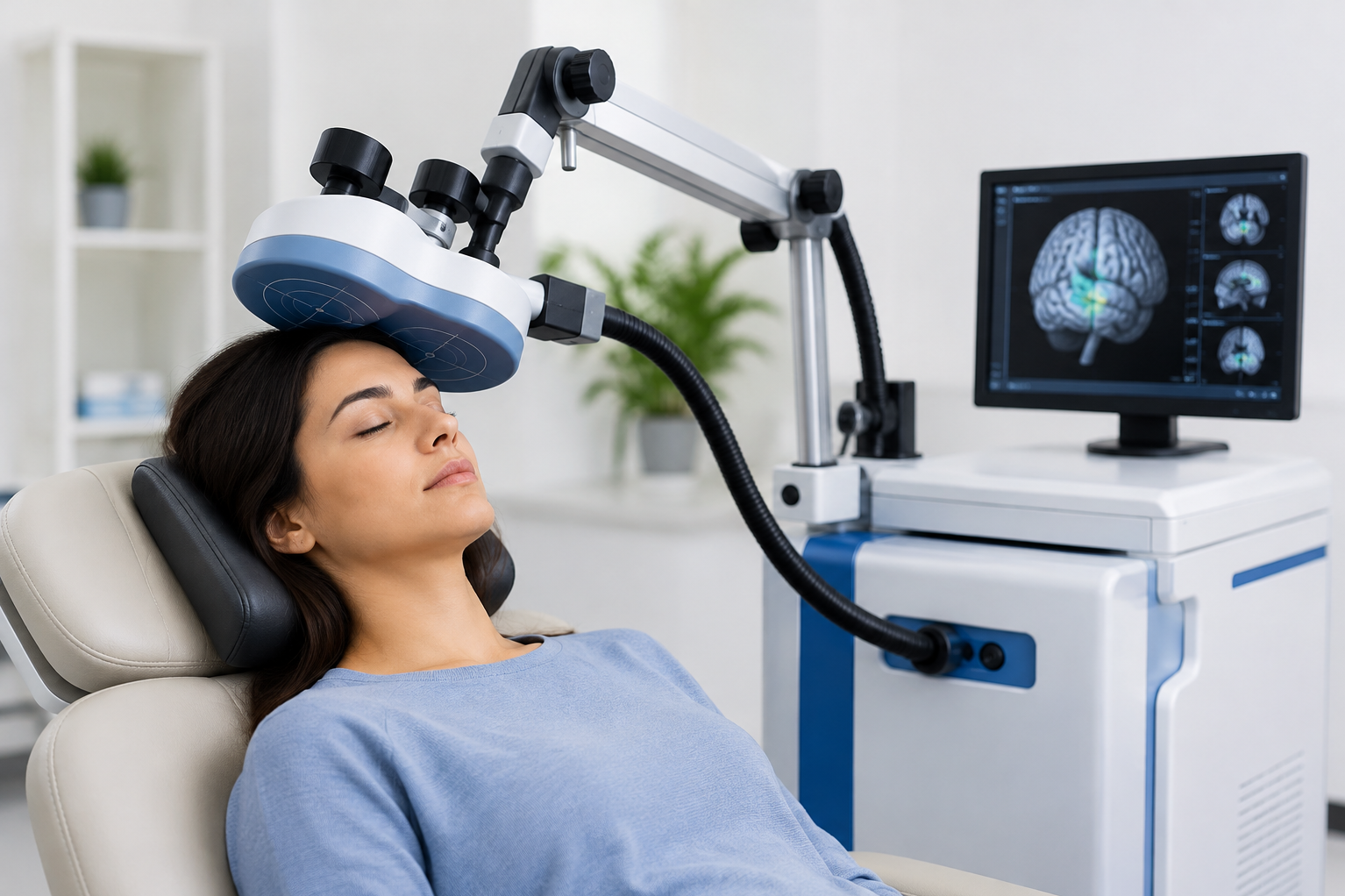
Repetitive transcranial magnetic stimulation is increasingly discussed by people exploring non-invasive psychiatric treatment. rTMS Therapy uses repeated magnetic pulses delivered to targeted brain regions according to a planned clinical protocol.
For prospective patients in Mumbai, Maharashtra, evaluating rTMS requires more than asking how many sessions are offered. Diagnosis, clinical suitability, treatment protocol, safety screening, monitoring, and continuity of psychiatric care should all influence the decision.
What Is the Treatment Goal?
Start by asking why rTMS is being recommended in your specific case.
A treatment should have a defined clinical purpose.
The psychiatrist should be able to explain the condition being treated, relevant symptoms, previous treatments considered, and why rTMS may be appropriate at this stage.
This is especially useful for patients who have already tried multiple medications and are unsure how another treatment fits into the overall plan.
Has My History Been Reviewed?
A proper evaluation should include relevant psychiatric and medical history.
Tell the clinician about previous medicines, psychotherapy, hospital admissions, neurological conditions, seizures, significant head injuries, and implanted medical devices.
Information about metal or electronic devices in or near the head is particularly important.
Do not assume that a previous diagnosis automatically establishes suitability for rTMS.
What Protocol Is Being Recommended?
rTMS is not simply one identical procedure delivered to everyone.
Treatment parameters can vary according to the indication and clinical protocol.
Patients do not need to become experts in technical settings, but they should understand the broad treatment plan.
Ask about session frequency, approximate course duration, what happens during a session, and how clinicians decide whether treatment is helping.
How Will Progress Be Measured?
Treatment should have a method for evaluating response.
This may include changes in symptoms, standardized rating scales, clinical interviews, sleep, motivation, concentration, occupational functioning, or other relevant measures.
Ask when progress is typically reviewed.
It is also useful to understand what happens if improvement is limited. A good treatment pathway should include reassessment rather than continuing indefinitely without reviewing benefit.
What Side Effects Should I Know About?
Patients should receive a balanced explanation of potential adverse effects.
Common experiences can include scalp discomfort or headache around treatment sessions, although individual experiences vary.
Safety considerations should be discussed according to the patient's medical history.
Ask which symptoms are expected, which should be reported promptly, and whom to contact if a concern occurs between appointments.
Will My Existing Treatment Change?
Do not independently stop psychiatric medicines because rTMS has started.
Ask whether current medicines or psychotherapy will continue, whether any medication adjustment is planned, and how ongoing psychiatric care will be coordinated.
For many patients, rTMS exists within a broader treatment plan rather than replacing every other component of care.
What Happens After the Course?
Patients frequently focus on the initial sessions but overlook follow-up.
Ask how response will be assessed at completion and what the next step will be.
Depending on individual circumstances, ongoing psychiatric treatment may still be needed.
A discussion about relapse signs and longer-term management can make expectations clearer.
When a Specialist Review Makes Sense
People who have experienced persistent symptoms despite previous treatment may reasonably seek a specialist review to understand whether rTMS belongs among their available options.
Dr Milan Balakrishnan provides psychiatric consultations in Mumbai for patients seeking evaluation of mental health treatment options, including non-invasive brain stimulation where clinically appropriate.
Bring previous prescriptions, investigation reports where relevant, a list of current medicines, and details of previous treatment response.
A careful consultation should answer a fundamental question before treatment begins: why is rTMS suitable for this particular patient at this particular stage of care?
Keywords