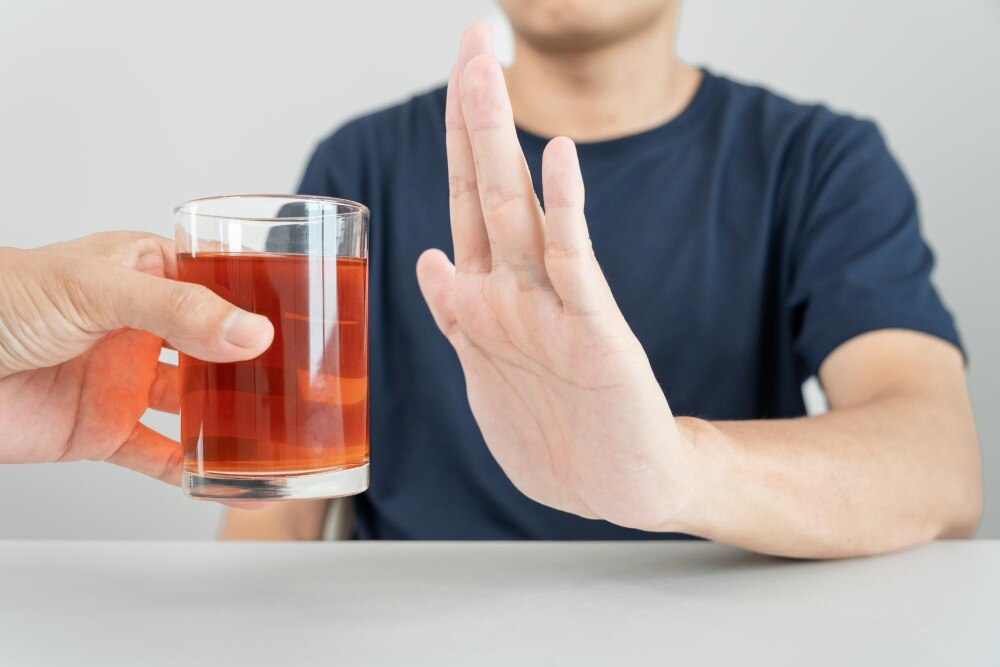
Alcohol dependence is not the same as occasional risky drinking, and stopping suddenly after prolonged heavy use can become a medical emergency. By understanding withdrawal risk, treatment stages, relapse planning and care options, you can make safer decisions for yourself or someone you support.
Key takeaways
- Seek emergency help for seizures, severe confusion, hallucinations, or trouble breathing.
- Do not stop heavy drinking suddenly without medical assessment and a withdrawal plan.
- Continue treatment after detox with therapy, monitoring, medication review, and relapse planning.
- Support recovery with clear boundaries, practical help, and no control over the person’s choices.
When Alcohol Use Becomes Dependence—and When Withdrawal Is an Emergency
Risky drinking raises the chance of injury, illness, or harm to others; it does not establish a diagnosis. Alcohol use disorder is impaired ability to stop or control drinking despite consequences such as health, relationship, or work problems. It is not a test of willpower.
Alcohol dependence means the body has adapted to regular alcohol exposure, so reducing or stopping it produces withdrawal. Dependence can occur within alcohol use disorder, but risky drinking does not automatically mean dependence. Physical withdrawal symptoms from alcohol include tremor, sweating, anxiety, nausea, insomnia, fast pulse, and high blood pressure.
Symptoms can begin 6–24 hours after the last drink; seizures often occur within 12–48 hours, while delirium tremens—severe confusion, agitation, and hallucinations—most often appears within 48–96 hours.
After prolonged heavy use, do not stop suddenly without medical advice. Seek emergency help immediately for:
- A seizure
- Hallucinations or severe confusion
- Inability to stay awake
- Chest pain or breathing difficulty
- Repeated vomiting
Never self-prescribe sedatives or use someone else’s medication. Heavy alcohol use or malnutrition warrants prompt thiamine assessment; confusion, unsteady walking, or abnormal eye movements require urgent treatment for possible Wernicke encephalopathy.
Why Alcohol Withdrawal Needs Medical Assessment and Supervision
Stopping suddenly after prolonged heavy drinking is not a home experiment. Withdrawal can begin 6–24 hours after the last drink; withdrawal seizures commonly occur within 12–48 hours, while delirium tremens most often appears 48–96 hours later.
A clinical assessment determines whether you need medically supervised alcohol withdrawal, outpatient monitoring, or hospital care. It should cover:
- Time of the last drink and usual drinking pattern
- Previous withdrawal seizures, delirium tremens, or difficult detoxification
- Medical conditions, psychiatric symptoms, prescribed medicines, and other substance use
- Pulse, blood pressure, temperature, breathing, alertness, tremor, and agitation
- Vomiting, fluid intake, nutrition, and signs of dehydration during withdrawal
- Thiamine deficiency risk, because untreated deficiency can cause Wernicke encephalopathy and suspected cases need urgent parenteral thiamine
A drink estimate alone cannot predict danger. Prior severe withdrawal, serious illness, unstable psychiatric symptoms, unreliable support, or missed follow-up can shift care toward inpatient treatment. Do not self-prescribe sedatives or take someone else’s medication; incorrect dosing can suppress breathing while alcohol remains in your system.
Call emergency services for:
- A seizure
- Hallucinations or severe confusion
- Inability to stay awake
- Chest pain, breathing difficulty, or repeated vomiting
What Effective Alcohol Addiction Treatment Looks Like After Detoxification
Detoxification treats the acute withdrawal phase; it does not treat alcohol use disorder (AUD) or reliably prevent a return to drinking. A planned transition from alcohol withdrawal treatment into continuing care connects medication, therapy, monitoring and recovery support. Before discharge, a clinician reviews withdrawal risk, physical health, medication options and the next appointment.
Medication is individualised; common alcohol-use-disorder medications include:
- Naltrexone, which can reduce alcohol’s rewarding effects and heavy-drinking days.
- Acamprosate, which supports abstinence after alcohol has stopped.
- Disulfiram, which causes an unpleasant reaction if alcohol is consumed and works best with supervised adherence.
Therapy makes the medication plan usable in high-risk situations. Motivational interviewing strengthens readiness to change, while cognitive behavioural therapy for alcohol use disorder targets triggers, cravings and unhelpful thinking patterns. Treating co-occurring psychiatric or medical conditions is part of the same plan because untreated symptoms can destabilise recovery.
Follow-up checks adherence, cravings, mental state and drinking, then adjusts medication, therapy or level of care. A return to drinking calls for reassessment—not automatic discharge—including withdrawal risk, triggers, symptoms and needed support.
How to Build a Relapse-Prevention Plan That Works in Daily Life
A written relapse-prevention plan turns vague intentions into actions you can use under pressure. Review it with a clinician and one trusted person, then keep it on your phone and at home.
1. Identify alcohol relapse triggers by recording what happened before each urge: a person, place, payday, argument, loneliness, pain, insomnia or a thought such as “one drink will not matter.” Mark the warning signs that appear first, including irritability, secrecy or searching for alcohol.
2. Create a craving response that starts immediately: leave the drinking setting, call a named support person, eat, drink water, delay the decision for 20 minutes and attend a meeting or therapy session.
Ask a clinician whether medication such as naltrexone or acamprosate fits your treatment; do not start, stop or share medication without medical advice.
3. Understand lapse versus relapse. A lapse is a brief return to drinking; relapse is a return to the previous pattern, loss of control or continued use. Treat either as information, not proof that treatment has failed, and contact your treatment team promptly.
4. Reduce harm after drinking again. Stop, avoid driving, and never combine alcohol with opioids, benzodiazepines or other sedatives. Tolerance falls after abstinence, so a formerly tolerated amount can cause poisoning; seek emergency help for slow or difficult breathing, inability to stay awake, seizures or severe confusion.
Choosing the Right Level of Alcohol Addiction Care
The safest setting depends on withdrawal risk, medical and psychiatric stability, reliable support, and your ability to attend follow-up—not only on how much alcohol you drink. Prior withdrawal seizures or delirium, serious illness, unstable symptoms, or an unsafe home can make supervised care necessary.
| Option | What it provides | When it fits |
|---|---|---|
| Outpatient alcohol addiction treatment | Scheduled visits while you live at home | Stable withdrawal risk, safe housing, dependable support, and reliable attendance |
| Intensive outpatient | Several treatment sessions each week without overnight stay | You need more structure but can remain medically and psychiatrically stable outside a facility |
| Residential alcohol treatment | A structured living setting with continuous staff access | Home triggers, limited support, repeated return to drinking, or difficulty following a plan |
| Hospital-based care | Medical treatment, monitoring, and 24-hour withdrawal supervision | Severe or uncertain withdrawal risk, seizures, delirium, serious illness, dangerous vital signs, or psychiatric crisis |
A return to drinking calls for reassessment, not automatic discharge. Ask Dr Milan Balakrishnan or another clinician to review withdrawal risk, medication adherence, triggers, co-occurring conditions, and whether the current level of care still fits.
Ask these alcohol treatment provider questions before enrolling:
- Who assesses withdrawal risk, and who provides 24-hour coverage?
- Can you treat seizures, delirium, medical illness, or psychiatric emergencies?
- What happens after detoxification: medication, therapy, and follow-up?
- How quickly can you step up care if symptoms worsen or drinking returns?
Related services
Addiction Psychiatry Addiction psychiatry is a subspecialty of psychiatry that focuses on the diagnosis, treatment, and management of addiction disorders. View service → |
Adult Psychiatry treatment involves a variety of approaches to address mental health disorders in adults. View service → |
How Families Can Support Recovery Without Taking Over
A refusal of addiction treatment is not permission to give up or to run the person’s life. Keep the conversation calm: describe what you have observed, say you are concerned, and offer one practical next step, such as a medical appointment. Avoid arguing while the person is intoxicated.
Family support for alcohol addiction works best when it is specific and consistent:
- Do not buy, hide or deliver alcohol. If dependence makes sudden stopping dangerous, arrange medical advice instead of managing withdrawal at home.
- Set alcohol recovery boundaries: “I will not lend money for drinking,” “I will leave if you become threatening,” and “I will not cover missed work or legal problems.”
- Follow through without insults, surveillance, breath testing or repeated threats.
- Protect children and keep transport, money, medicines and emergency contacts accessible.
- Ask what support the person will accept, including a mutual-support meeting, clinician visit or telephone check-in.
Ask directly about suicidal thoughts after a crisis, severe intoxication or statements about hopelessness. A suicide safety planning conversation should identify warning signs, coping steps, trusted contacts, professional help and emergency services; remove firearms, excess medicines and other lethal means.
If the person has a plan, cannot stay safe, becomes severely confused or threatens violence, leave danger and contact emergency services.
Frequently asked questions
When does alcohol use become dependence?
Dependence involves impaired control over drinking despite health, relationship, work, or other consequences. A clinician assesses the pattern, symptoms, and impact rather than judging willpower.
When is alcohol withdrawal an emergency?
Get urgent medical help for seizures, severe confusion, hallucinations, extreme agitation, fainting, or trouble breathing. Withdrawal can become life-threatening after heavy or prolonged drinking.
Why does alcohol withdrawal need medical supervision?
Withdrawal can escalate quickly and affect the brain, heart rate, blood pressure, hydration, and consciousness. A medical assessment helps determine the safest setting and monitoring plan.
What treatment is needed after alcohol detoxification?
Recovery care can combine psychiatric assessment, therapy, medication review, ongoing monitoring, support for coexisting mental health conditions, and a plan for handling cravings and high-risk situations.
How can families support alcohol recovery without taking over?
Use calm, specific communication, encourage professional care, avoid covering up consequences, set clear boundaries, and prepare an emergency plan without trying to control every decision.
Related services
Emergency Psychiatry Emergency psychiatry is a subspecialty of psychiatry that focuses on the evaluation, treatment, and management of acute psychiatric emergencies. View service → |
Geriatric Psychiatry Geriatric psychiatry is a subspecialty of psychiatry that focuses on the mental health and well-being of older adults. View service → |
Child and Adolescent Psychiatry Child and Adolescent Psychiatry Child and adolescent psychiatry is a specialized field of psychiatry that focuses on the diagnosis and treatment of mental health disorders in... View service → |
Forensic Psychiatry Forensic psychiatry is a subspecialty of psychiatry that involves the interface between mental health and the legal system. View service → |
Keywords