
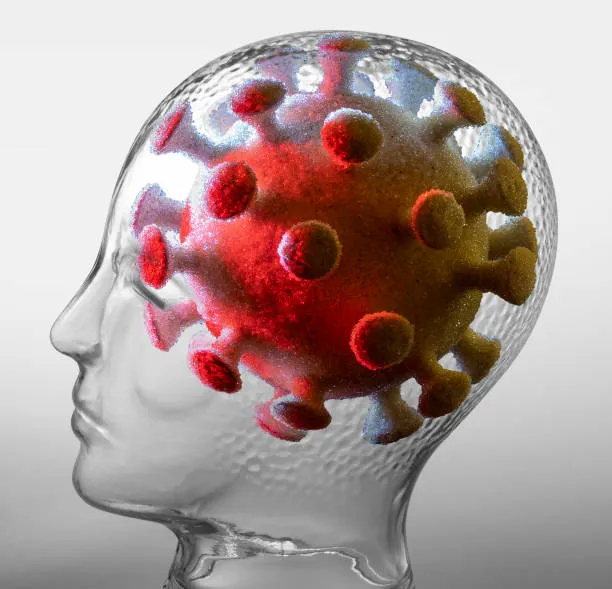
Brain Fog Following COVID-19: What You Need to Know
COVID-19 is a virus that has affected millions of people worldwide. While the most common symptoms of COVID-19 include fever, cough, and difficulty breathing, some people may experience a range of cognitive symptoms, including brain fog. Here is some information about brain fog following COVID-19, including its causes, symptoms, and treatment options.
What is Brain Fog?
Brain fog is a term used to describe a range of cognitive symptoms, including difficulty concentrating, memory problems, and a feeling of mental fogginess. It can be caused by a variety of factors, including stress, sleep deprivation, and certain medications.
Causes of Brain Fog Following COVID-19:
The exact cause of brain fog following COVID-19 is not fully understood, but researchers believe that it may be related to the inflammation and immune response triggered by the virus. COVID-19 can cause a range of neurological symptoms, including headaches, dizziness, and confusion, which may contribute to brain fog.
Symptoms of Brain Fog Following COVID-19:
The symptoms of brain fog following COVID-19 can vary from person to person, but may include:
- Difficulty concentrating
- Memory problems
- Mental fatigue
- Difficulty with multitasking
- Slowed thinking and processing speed
- Confusion and disorientation
Treatment Options for Brain Fog Following COVID-19:
There is no one-size-fits-all treatment for brain fog following COVID-19, but there are several strategies that may help improve cognitive function:
1. Rest: Getting enough rest is crucial for recovery from COVID-19 and may help improve cognitive symptoms.
2. Exercise: Regular exercise has been shown to improve cognitive function and may be beneficial for brain fog.
3. Mental Stimulation: Engaging in mentally stimulating activities, such as puzzles or reading, may help improve cognitive function.
4. Mindfulness Practices: Mindfulness practices, such as meditation or deep breathing exercises, may help reduce stress and improve cognitive function.
5. Speak with a Healthcare Provider: If you are experiencing persistent brain fog following COVID-19, it is important to speak with a healthcare provider. They may be able to recommend treatments or therapies that can help improve cognitive function.
In conclusion, brain fog following COVID-19 is a real and often frustrating symptom that can impact daily life. If you are experiencing symptoms of brain fog, it is important to take care of your physical and mental health, engage in stimulating activities, and speak with a healthcare provider if symptoms persist. With time and proper care, cognitive function can improve, and you can return to your normal activities.
Keywords